Becoming a transport manager takes more than a driving license and logistics know-how. It’s a career that blends leadership, compliance, and problem-solving under pressure. Whether you’re eyeing a CPC qualification or building experience in fleet operations, mastering the right skills early sets you apart in a competitive industry.
Strong organisational skills top the list. Transport managers coordinate schedules, routes, and driver rotas while ensuring deliveries stay on time. Without solid planning ability, even small disruptions can cascade into missed deadlines and unhappy clients.
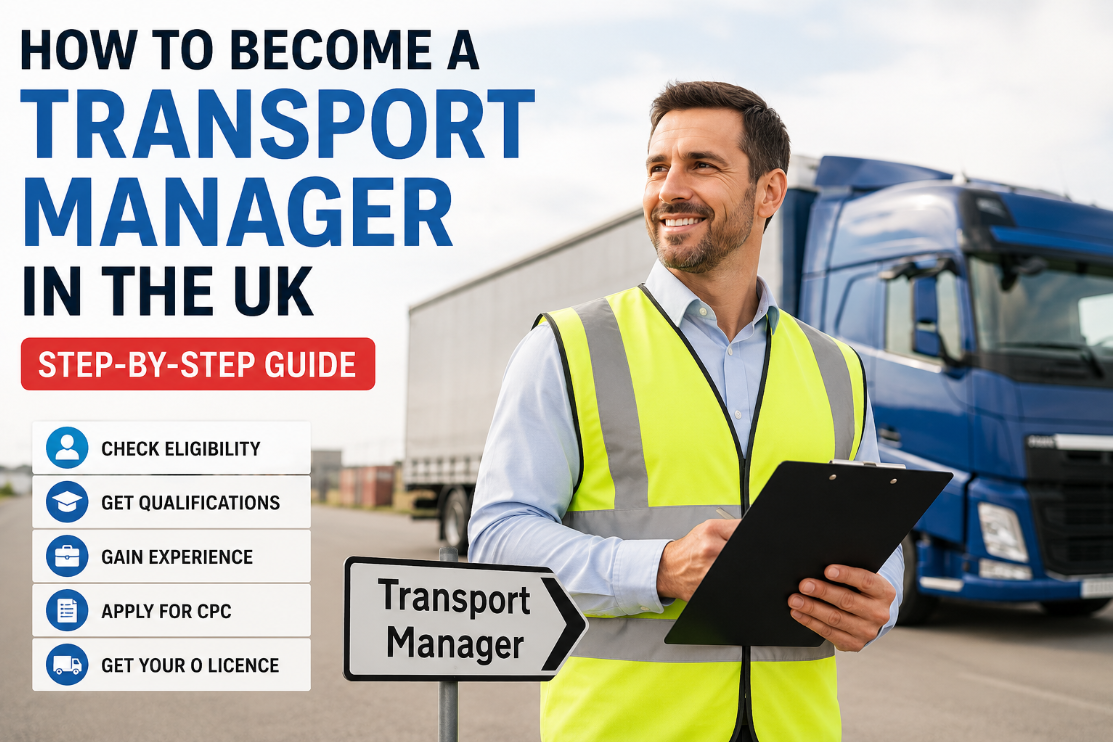
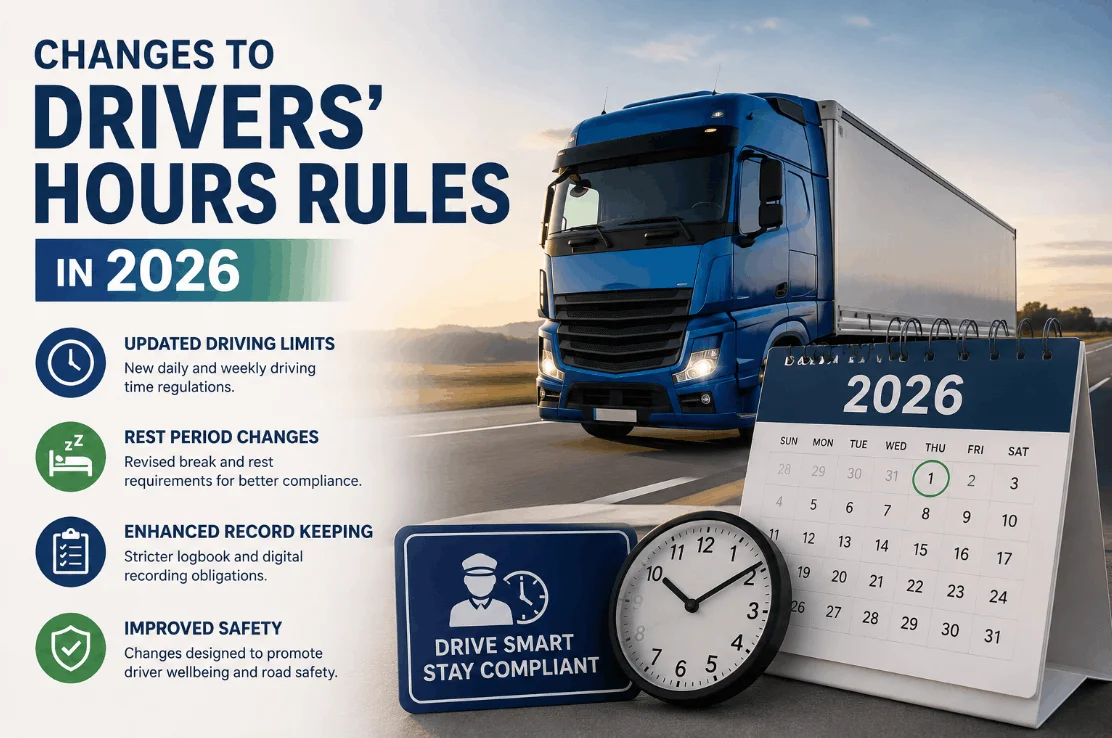
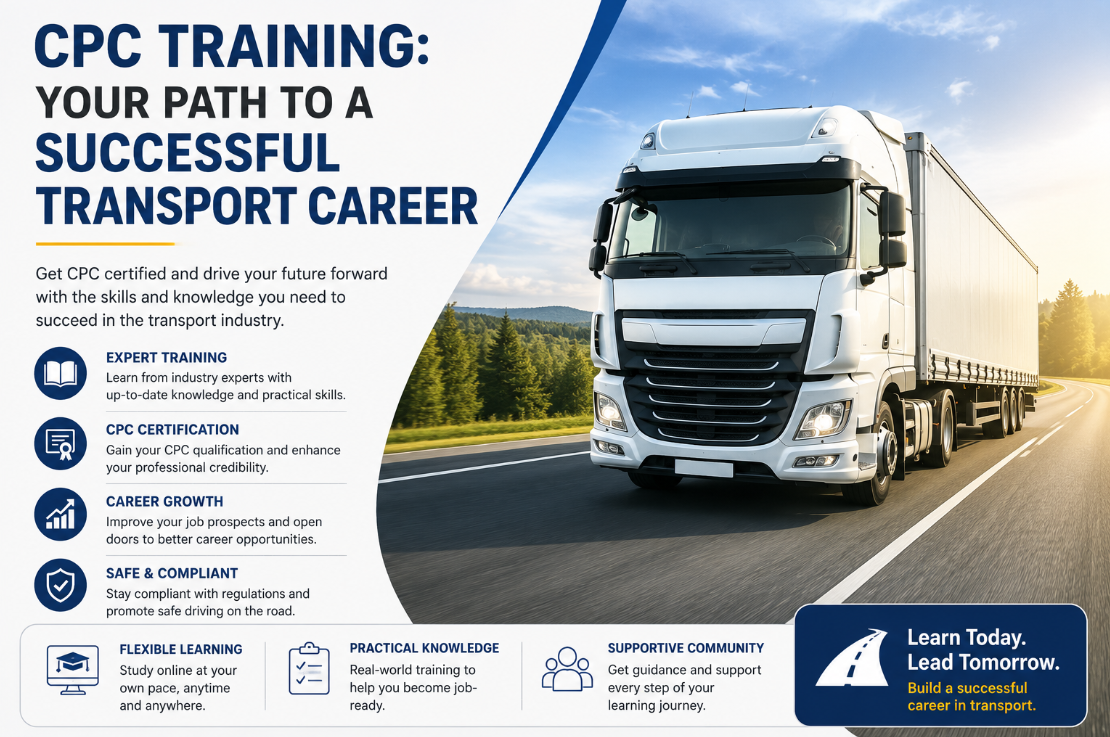
Regulatory knowledge is non-negotiable. Understanding drivers’ hours, vehicle maintenance standards, and health and safety legislation protects both the business and its workforce. Many aspiring managers pursue a Certificate of Professional Competence (CPC) to formalise this expertise, since it’s often a legal requirement for operating commercial vehicles.
Leadership and communication skills matter just as much as technical knowledge. Transport managers oversee drivers, liaise with clients, and coordinate with warehouse or depot staff. Being able to give clear instructions, resolve conflicts, and motivate a team directly impacts operational efficiency.
Financial acumen also plays a role. Budgeting for fuel, maintenance, and staffing costs while keeping operations profitable requires a working understanding of cost control and basic financial reporting.
Problem-solving under pressure is another must-have. Breakdowns, traffic delays, and last-minute route changes are part of daily life in transport management. Managers who stay calm and think on their feet keep operations running smoothly even when things go wrong.
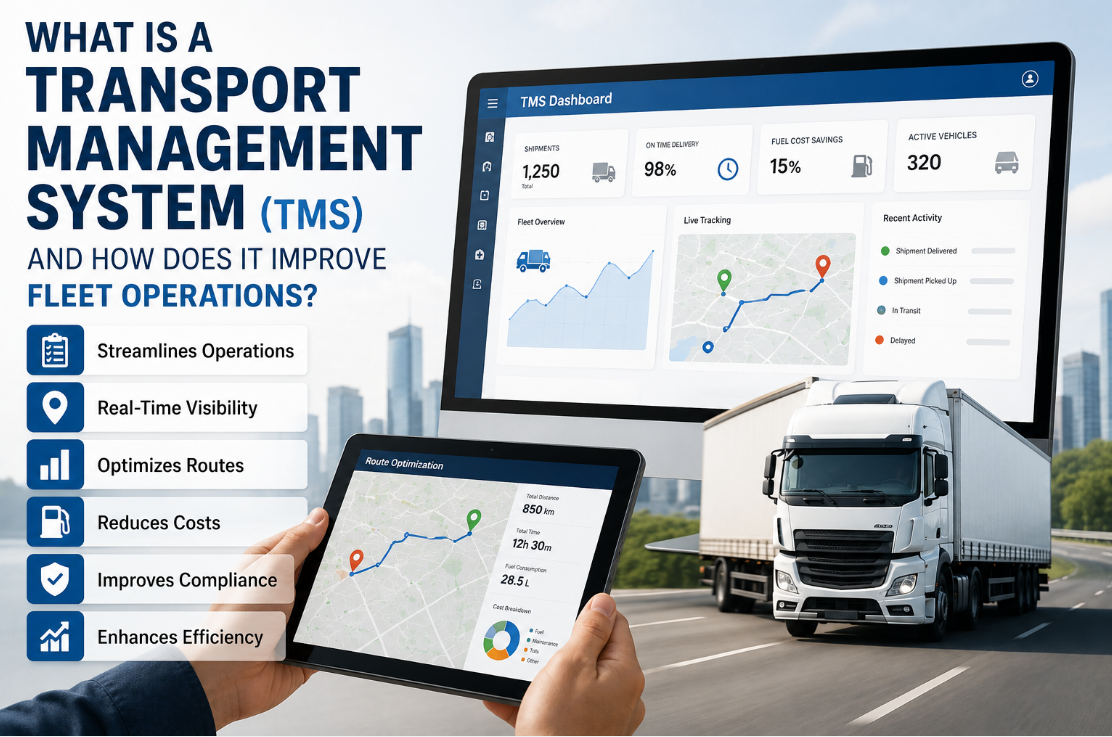
Finally, digital literacy is increasingly important. Fleet management software, GPS tracking, and route optimisation tools are now standard across the industry, so comfort with technology gives candidates a real edge.
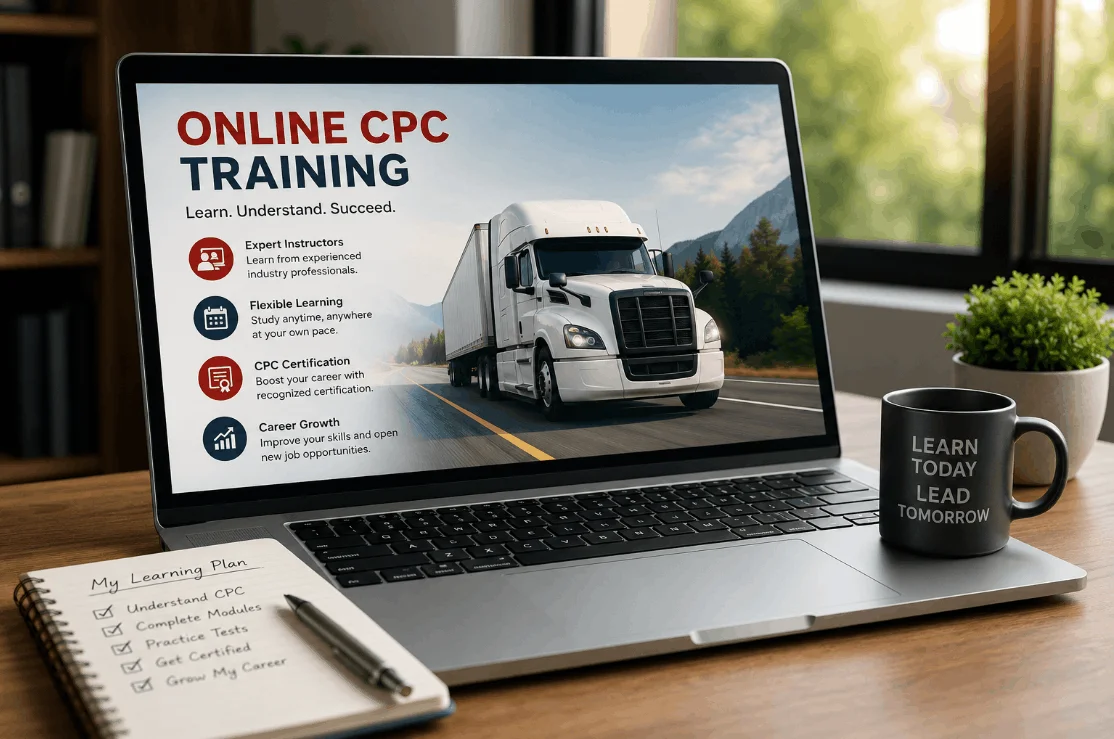
For those serious about a long-term career, formal training and qualifications add credibility. Structured courses cover the legal, financial, and operational sides of the role, helping candidates build confidence before stepping into the job.
Developing these skills takes time, but the payoff is a stable, in-demand career. Transport managers are essential to supply chains everywhere, and those with the right mix of compliance knowledge, leadership, and technical fluency will find no shortage of opportunities ahead.